The founding story · follow the surviving record

From Exodus to
“We the People.”

See how Moses and Pharaoh entered the American founding—and follow the letters, proposals and decisions into the Constitution.

Benjamin Franklin’s proposed seal, August 1776. This is a founding-era manuscript using the Exodus story—not an ancient image of Moses.

Manuscript Division, Library of Congress · item 105Open the archival record (opens in a new tab)
Look at the original
Benjamin Franklin’s proposed seal, August 1776. This is a founding-era manuscript using the Exodus story—not an ancient image of Moses.

Benjamin Franklin’s proposed seal, August 1776. This is a founding-era manuscript using the Exodus story—not an ancient image of Moses.

The biblical narrative

A story of deliverance

Moses. Pharaoh. A people seeking freedom.

In Exodus, Pharaoh’s power, Israel’s bondage and the crossing of the sea form a story about deliverance. In 1776, Americans used that story to describe their own struggle with Britain.

The founders’ connection to this story becomes visible in their own surviving words and proposals.

The documentary route ahead
Read Exodus 14 (opens in a new tab)

How this connects

Watch the connection change form: biblical narrative → a reported sermon → a proposed national symbol → constitutional rules about public office and religion.

Follow the outcome

We begin with a documented use of the Exodus story. Whether a particular biblical instruction shaped a specific law requires its own evidence.
1 of 8

Read the people talking

Open the letters.

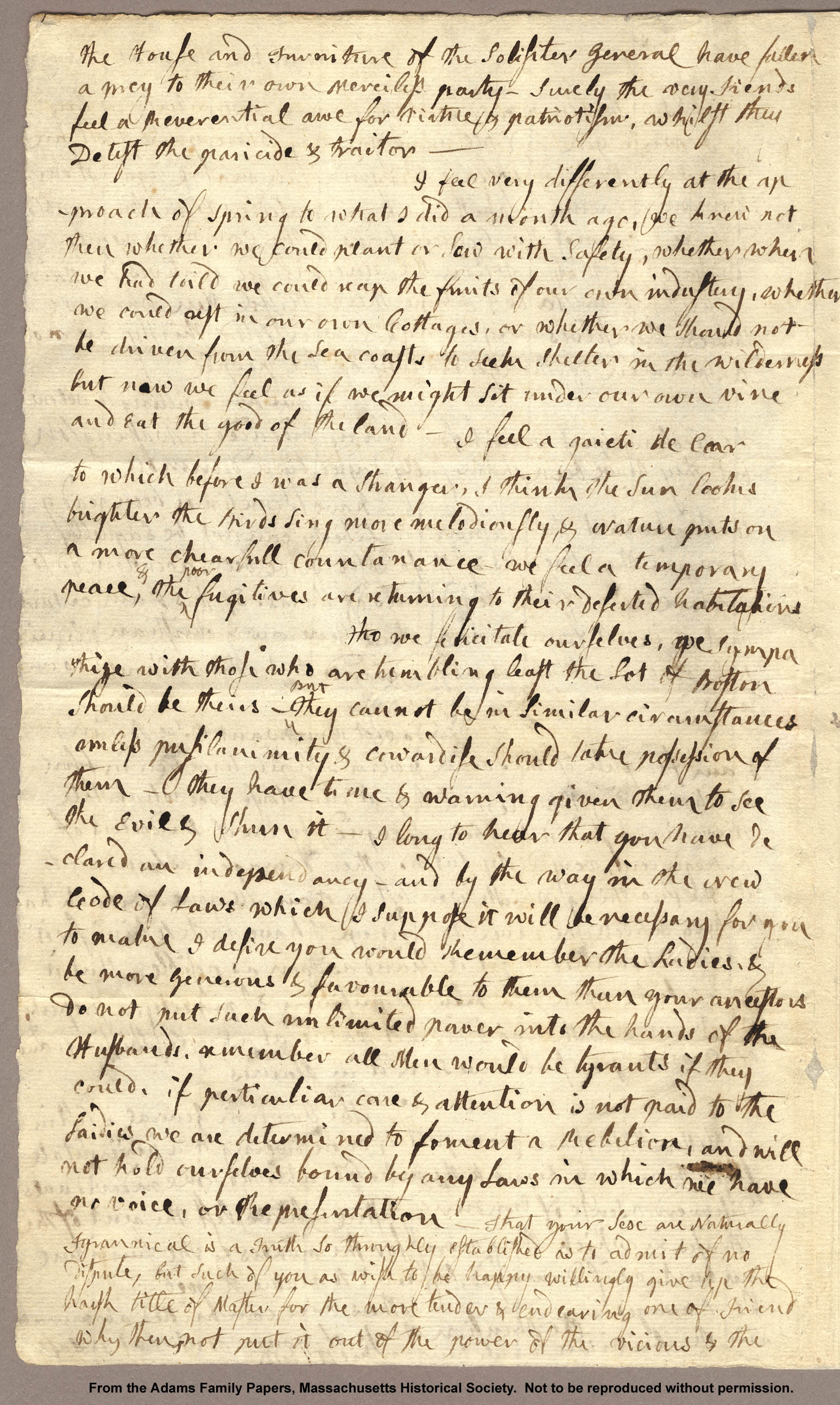
Abigail’s request, John’s reply, and the correspondence connecting Exodus to independence.

Abigail Adams’s handwritten letter

Return to the central document

Read. Look. Listen.

Explore the constitutional wording beside the original manuscript pages and narration.